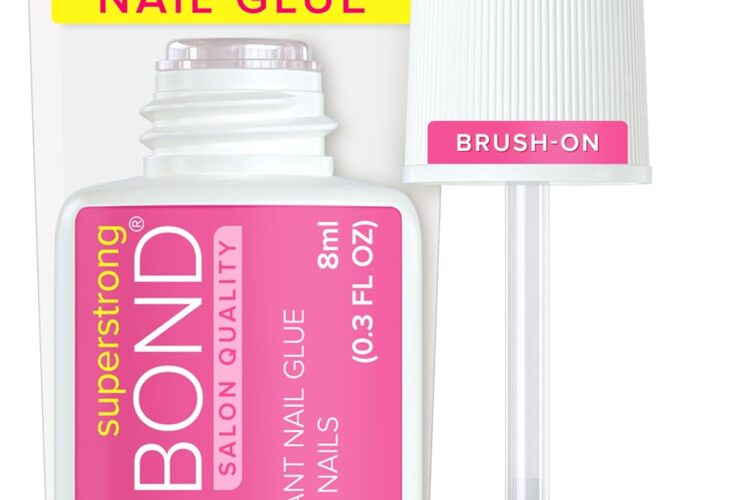
In the ever-evolving landscape of beauty and self-care, the resurgence of press-on nails and nail extensions has revolutionized how we approach manicures. What once required expensive salon appointments and hours of commitment has transformed into an accessible, DIY-friendly ritual that delivers salon-quality results from the comfort of home. Yet, the secret to achieving that coveted, seamless look that lasts weeks rather than days doesn’t lie solely in the quality of the artificial nails themselves—it rests in the invisible foundation that holds everything together: the adhesive.
The modern nail enthusiast understands that the difference between a frustrating, short-lived manicure and a durable, chip-free masterpiece often comes down to the chemistry of the bond. As the demand for at-home nail solutions has skyrocketed, so too has the technology behind nail adhesives, evolving from basic super-glue alternatives to sophisticated, professional-grade formulations designed specifically for the unique stresses and movements of the natural nail plate.
Understanding the Science of Nail Adhesion 🔬
To appreciate the importance of selecting the right adhesive, one must first understand the complex environment of the nail unit. The natural nail plate is composed of keratin layers that are constantly exposed to moisture, oils, and mechanical stress. Unlike bonding two rigid surfaces together, adhering artificial nails requires a flexible yet tenacious connection that can withstand daily activities—from typing and texting to washing dishes and opening packages—without lifting or popping off prematurely.
Traditional nail glues often relied on cyanoacrylate formulas that prioritized speed over durability. While these quick-dry solutions seemed convenient, they frequently resulted in brittle bonds that cracked under pressure or created rigid attachment points that damaged the natural nail upon removal. Contemporary salon-quality adhesives have addressed these limitations through advanced polymer technology that creates a shock-absorbing interface between the natural nail and the extension.
The ideal nail adhesive must possess several critical characteristics: rapid initial tack for positioning accuracy, sufficient working time for proper placement, water resistance to prevent lifting from moisture exposure, and flexibility to move with the natural nail’s slight curvature and flex. Additionally, the formulation must be safe for cosmetic use, free from harmful contaminants, and compatible with various nail materials including ABS plastic press-ons, fiberglass tips, and acrylic polymers.
The Brush-On Revolution: Precision Meets Convenience 🎨
Among the various application methods available—from squeeze tubes to dropper bottles—the brush-on applicator represents a significant advancement in user-friendly precision. This delivery system transforms the application process from a potentially messy, imprecise task into a controlled, salon-worthy technique accessible to beginners and professionals alike.
The brush applicator allows for the creation of thin, even layers of adhesive that dry quickly and evenly. Unlike nozzle applicators that can deposit too much product in concentrated areas (leading to uneven drying, bubbling, and weak spots), a brush distributes the adhesive uniformly across the entire contact surface. This uniform coverage ensures maximum surface area adhesion and eliminates air pockets that can compromise the bond’s integrity.
Furthermore, the brush-on method enables precise application near the cuticle area without flooding the sidewalls or skin surrounding the nail. This precision is crucial not only for aesthetic reasons—preventing that bulky, over-glued look—but also for hygiene and comfort. Excess adhesive that contacts the skin can trap bacteria, cause allergic reactions, or create lifting points as the natural oils of the skin break down the bond.
Decoding “Super Strong”: What Maximum Strength Really Means 💪
When evaluating nail adhesives, terms like “super strong” and “maximum strength” require context to understand their true meaning. True professional strength in nail glue refers not to the harshness of the chemical bond, but to the adhesive’s ability to create a lasting connection that resists shear forces, moisture infiltration, and daily wear without damaging the underlying nail structure.
Maximum strength formulations typically feature refined cyanoacrylate compounds enhanced with rubber toughening agents or plasticizers. These additives create a flexible bond that absorbs impact rather than shattering upon stress. Think of it as the difference between a rigid ceramic plate and a flexible silicone mat—both are solid, but one withstands dropping while the other shatters.
Water resistance stands as another hallmark of professional-grade nail glue. The nail environment is inherently moist, with natural nails containing approximately 18% water content and constant exposure to handwashing, humidity, and sweat. Inferior adhesives absorb moisture, which causes the polymer chains to break down and the bond to weaken, resulting in the telltale lifting that begins at the free edge and progresses toward the cuticle. Premium water-resistant formulas create a hydrophobic barrier that prevents moisture penetration, maintaining bond integrity even during activities like swimming or showering.
Versatility Across Nail Systems: Press-Ons, Tips, and Acrylics 🌟
The modern nail enthusiast rarely commits to a single enhancement method. One week might call for convenient press-on nails for a weekend event, while another requires acrylic tips for a special occasion, or perhaps fiberglass overlays for natural nail reinforcement. A truly superior nail adhesive demonstrates versatility across these various applications without compromising performance.
Press-On Nails (Pre-Designed Full Coverage)
Press-on nails, often made from ABS plastic, require an adhesive that can bond to non-porous surfaces while accommodating the slight curvature differences between the artificial nail and the natural nail bed. The glue must fill microscopic gaps between the two surfaces without creating bulk. For these applications, a thin viscosity brush-on glue excels, allowing the user to swipe a precise layer across the entire press-on surface, position it accurately, and enjoy immediate tack that prevents sliding during the crucial first few seconds of placement.
Nail Tips (Half-Cover or Full-Cover Extensions)
When applying nail tips for subsequent acrylic or gel overlay, the adhesive serves as the mechanical anchor for the extension. Tips endure significant leverage forces, particularly at the stress point where the natural nail ends and the tip begins. Here, the adhesive must create a seamless transition that prevents the “step” from separating from the natural nail. The brush applicator proves invaluable for creating a feathered edge of adhesive that blends the tip into the natural nail, eliminating the harsh line that often leads to cracking or lifting.
Acrylic Nail Maintenance and Repairs
Even permanently applied acrylic nails occasionally require repairs for cracks, breaks, or lifting at the cuticle area as they grow out. A high-strength brush-on glue serves as an emergency repair kit, allowing users to secure lifted edges or reattach broken pieces without removing the entire enhancement. The precision of the brush enables targeted application to small areas without disturbing the surrounding acrylic structure.
The 8ml Advantage: Size, Storage, and Freshness 📏
While it may seem counterintuitive, larger bottles of nail glue often prove less economical than smaller, precisely-sized containers. Cyanoacrylate adhesives begin to polymerize upon exposure to air and moisture in the environment. Every time a bottle is opened, a small amount of humidity enters, gradually thickening the formula and reducing its effectiveness. An 8ml capacity represents the sweet spot for personal use—sufficient volume for dozens of applications while minimizing waste from product degradation before the bottle is emptied.
Additionally, the compact size facilitates proper storage. Nail glue should be kept in a cool, dry place away from direct sunlight to prevent premature curing. Smaller bottles fit easily into vanity drawers or nail care kits, protected from the temperature fluctuations and light exposure that can occur in bathroom storage.
Mastering Application Technique: The Path to Longevity 🎯
Even the most advanced adhesive cannot overcome poor application technique. Achieving a two-week or longer wear time requires attention to preparation and method:
Surface Preparation Protocol
The natural nail plate must be thoroughly cleansed of oils, lotions, and debris. Begin by pushing back cuticles and gently buffing the nail surface with a fine-grit file to remove shine—this creates microscopic grooves that increase surface area for mechanical adhesion. Wipe nails with alcohol or a nail dehydrator to eliminate residual moisture and oils. Any contamination at this stage creates a barrier that prevents the adhesive from contacting the keratin directly.
The Three-Point Application Method
For press-ons and tips, apply a thin layer of adhesive to both the natural nail and the artificial nail (when the product instructions allow for dual application). This “double glue” technique ensures complete coverage without gaps. Position the artificial nail at the cuticle area first, then press down firmly toward the free edge, rolling slightly from side to side to eliminate air bubbles. Hold pressure for 10-15 seconds to allow the initial bond to form—cyanoacrylates cure rapidly with pressure and the absence of air.
Curing and Setting
While the initial tack occurs within seconds, full polymerization takes several hours. During this window, avoid exposing the nails to water or excessive heat, which can interfere with the curing process. The first 24 hours are critical for bond development; gentle treatment during this period significantly extends the overall wear time.
Safety, Removal, and Nail Health 🛡️
Responsible use of nail adhesives prioritizes the long-term health of the natural nail. Never forcefully pry off artificial nails, as this removes layers of the natural nail plate along with the enhancement, causing thinning and weakness. Instead, soak nails in acetone or use specially formulated nail glue removers that break down the adhesive bonds without aggressive mechanical removal.
When using any professional-strength adhesive, work in a well-ventilated area to avoid inhaling fumes, and avoid skin contact, as cyanoacrylates bond skin instantly. Keep a nail glue debonder or acetone nearby during application for quick cleanup of any accidental spills on skin or work surfaces.
Troubleshooting Common Adhesion Issues 🔧
Even with quality products, occasional challenges arise. Lifting at the free edge typically indicates insufficient adhesive at the stress point or exposure to water before full curing. If nails pop off entirely without damage to the natural nail, the issue usually stems from inadequate surface preparation or oily nail plates that require additional dehydration.
For those with naturally flexible or thin nails that tend to bend significantly, ensuring the artificial nail follows the natural curvature without forcing it flat prevents stress fractures in the adhesive layer. Sometimes, applying a small amount of adhesive to the underside of the free edge after application (cap sealing) provides additional protection against water infiltration.
The Economic and Aesthetic Impact 💎
Investing in professional-grade nail adhesive transforms the economics of nail care. A single bottle capable of dozens of applications replaces multiple salon visits, saving hundreds of dollars annually while delivering comparable durability. Moreover, the confidence that comes from knowing your nails won’t lift or fall off during important moments—whether typing a business presentation or holding a champagne glass at a wedding—justifies the attention to adhesive quality.
The aesthetic benefits extend beyond longevity. A strong, invisible bond creates the illusion of naturally perfect nails without the bulk or yellowing that occurs with inferior adhesives. The thin application possible with brush-on formulas ensures that press-ons sit flush against the natural nail, preventing the “floating” look that betrays artificial enhancements.
Conclusion: Building Beauty from the Base Up 🏛️
In the architecture of nail artistry, the adhesive serves as the foundation upon which all beauty is built. No matter how exquisite the press-on design, how perfectly sculpted the acrylic tip, or how flawless the polish application, without a reliable bond, the structure crumbles. The evolution of brush-on, super-strong nail glues represents the democratization of professional nail technology, placing salon-quality durability into the hands of at-home enthusiasts.
By understanding the chemistry of adhesion, mastering proper application techniques, and selecting maximum-strength, water-resistant formulations designed specifically for the demands of modern nail enhancements, anyone can achieve manicures that rival expensive salon services. The journey to perfect nails begins not at the surface, but at the bond—where science meets beauty, and where your next flawless manicure finds its footing.
If the button doesn’t work, please refresh the page.